Saturday, July 14, 2012
MAKEY MAKEY BOARD FOR THE BUCKYLAB
We supported this wonderful idea at kickstarter...to be honest it was not really nessessary, more than 500,000 $ were raised for this cool controller board, that transforms everything into a keyboard. We cant wait for our kit and are curious what our students may do with it...

WINBAG - HOW WE USE IT
Another way of how to use the Winbag: Its a perfect fellow on your travel, in this case we use it to raise the IPad to watch movies while in an airplane. Winbag 1000 possibilities...
Thursday, July 12, 2012
RAACO NEWSLETTER

RAACO sponsored a huge set of Boxxser Assortment boxes and cabinets for our mobile workshop.
Now every bits and pieces have a perfect organized place within the workshop. Thank you very much and for all out there interested have a look on their webside by clicking into the logo on the right side.
RAACO also published an articel on their newsletter so have a look.
Monday, July 9, 2012
LIGHT FILTER FACADE
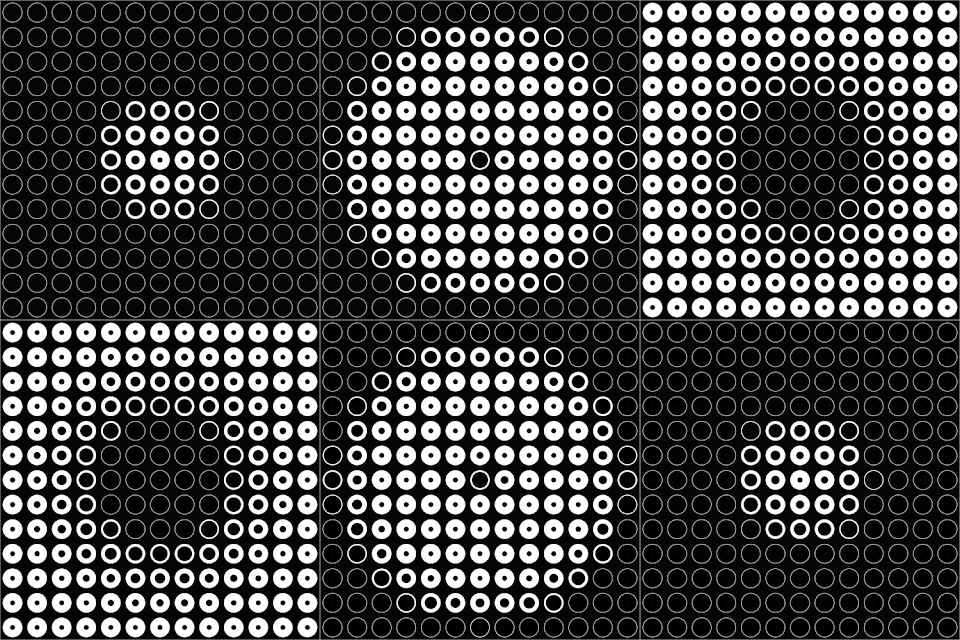
Imagine a facade that uses daylight and interior light to create images or patterns to liven up and communicate to the spaces it defines. A translucent canvas.
A buckylab project imagined by Nicolas van Drunen, Jayadeep Premnath and Cedrique Steenkamer

The main research points were: in what scale would it work if the aspects of mechanics and image resolution
are considered? Is it possible to design it into a unitized facade system?
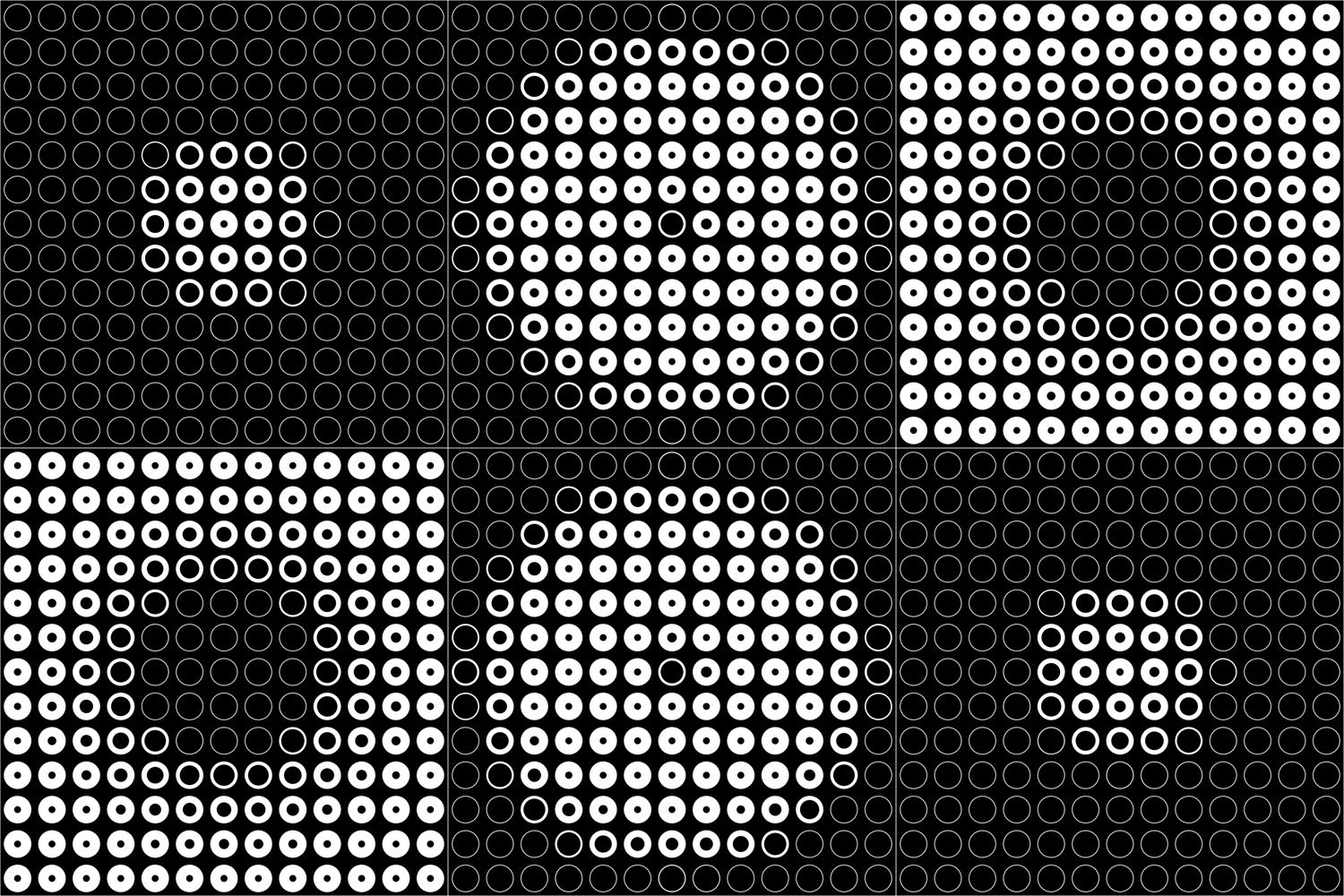
An image can be transformed to be described as a half tone pattern. By making a screen with many independently variable aperture openings it’s possible to create dynamic light patterns on the facade making
it possible to render still images, films or ambient media.

The concept of a panel with openings is not only applicable for a facade, as well as an interior wall and roof. For example, a shop and horeco can use the panel in addition to the decor. It can serve as a partition or as a separation with an open character. The picture next gives an impression. Each opening is individually to control and the frame is flexible displaceable.

A conservatory has a glass roof. A conservatory is a good example that can make use of this system. The roof can serve as a sunshade for excess sunlight and can reduce the light beams to small beams. This has an effect on the climate comfort, but may also take care of visually beautiful effects.


A buckylab project imagined by Nicolas van Drunen, Jayadeep Premnath and Cedrique Steenkamer

The main research points were: in what scale would it work if the aspects of mechanics and image resolution
are considered? Is it possible to design it into a unitized facade system?
An image can be transformed to be described as a half tone pattern. By making a screen with many independently variable aperture openings it’s possible to create dynamic light patterns on the facade making
it possible to render still images, films or ambient media.
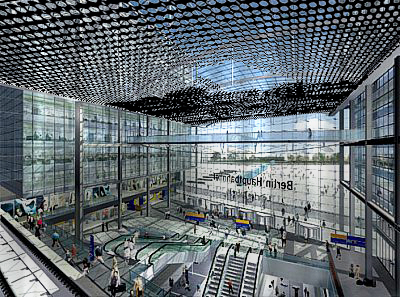
The concept of a panel with openings is not only applicable for a facade, as well as an interior wall and roof. For example, a shop and horeco can use the panel in addition to the decor. It can serve as a partition or as a separation with an open character. The picture next gives an impression. Each opening is individually to control and the frame is flexible displaceable.

A conservatory has a glass roof. A conservatory is a good example that can make use of this system. The roof can serve as a sunshade for excess sunlight and can reduce the light beams to small beams. This has an effect on the climate comfort, but may also take care of visually beautiful effects.


Sunday, July 8, 2012
HOW WE USE THE WINBAG
Normaly used for window montage, we found many different ways of how to use these little handy fellows. have a look also on www.winbag.dk
Thanks to Aman for this idea!
Saturday, July 7, 2012
Sunday, July 1, 2012
HOW IT WORKS : UMBRELLA
from Maysam Foolady
 An umbrella or parasol is referred to a canopy whose aim is to protect or shelter people from rain or sunlight. “Umbrella” stands for the Latin word “umbra” which means "shade” or “shadow”. However, umbrella refers to a device designed to protect against the rain, and parasol is referring to the item sheltering against the sun.
The origin of the umbrella goes back about three, four thousand years ago which is illustrated in ancient art and artifacts of Egypt, Greece, and China. It is believed that the beginnings of umbrellas stemmed from collected leaves that were functioning as a shelter against rain or the sunlight. It could also have been an adaptation of a portable tent.
Some historians say that, the first foldable umbrella that have been invented in ancient China approximately 1,700 years ago, and fittingly the Chinese character for umbrella (傘) is a pictograph, looking like the design of modern umbrella. In ancient times, the frames of the umbrellas were made of mulberry bark or bamboo.
The Chinese decorated paper parasols with hand-paintings and waxed and lacquered the paper surface with oil to repel water. Then, via the Silk Road, the Chinese design of umbrella was able to spread to Persia and the West.
 Briefly, umbrella is a portable and folding device which varies in size and shape; however, its design is basically the same. Generally, it is formed by a concave down surface, usually plastic or similar material attached to a structure of rods (stretcher) arranged around a central axis (pole) which supports stretchers through a sliding ring (runner). When the runner is in the down position, the stretchers are completely flattened along the pole. On the opposite, when the runner is raised, the rods are stretched in a circle around the pole under the canopy. (Figure 1)
Figure 2: Stationary Cantilever Umbrella
The number of stretchers ranges from four (square umbrellas using in outdoor markets) to eight or ten in general for umbrellas. They are distributed at regular intervals on the periphery of the pole. In small portable umbrellas and parasols, the central pod has a handle at its lower end for better grip. In other cases, the use of umbrellas is rather stationary; the lower end of their pole is generally designed to fit in a carrier or to be planted in the ground, so to be stable and secure against the wind. The classical umbrellas can also serve as stick, however the recent ones "pocket umbrellas" which are shorter in size with folding rods, are more convenient for storage when it is not raining. This type is mostly used in countries with high amount of rainfall during the year. Although very simple, but still after passing centuries, the mechanism behind umbrella has remained almost the same. The simplicity and functionality of this system has always been inspiring for many people throughout the history. Even now we can see a lot of examples in our daily life, such as CJ R&D Center Kinetic Façade in Korea and Mechanical umbrellas in Mosque of the Prophet (in Medina), which are developed based on the same principle.

Figure 3: Stationary Umbrella with pole in center
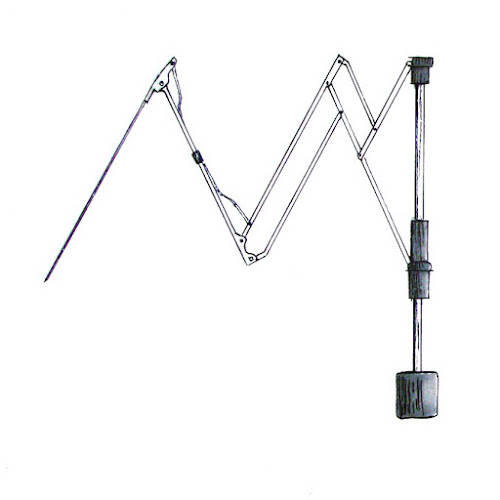
Figure 4: Pocket Umbrellas with multiple folding ribs

The origin of the umbrella goes back about three, four thousand years ago which is illustrated in ancient art and artifacts of Egypt, Greece, and China. It is believed that the beginnings of umbrellas stemmed from collected leaves that were functioning as a shelter against rain or the sunlight. It could also have been an adaptation of a portable tent.
Some historians say that, the first foldable umbrella that have been invented in ancient China approximately 1,700 years ago, and fittingly the Chinese character for umbrella (傘) is a pictograph, looking like the design of modern umbrella. In ancient times, the frames of the umbrellas were made of mulberry bark or bamboo.
The Chinese decorated paper parasols with hand-paintings and waxed and lacquered the paper surface with oil to repel water. Then, via the Silk Road, the Chinese design of umbrella was able to spread to Persia and the West.

Figure 2: Stationary Cantilever Umbrella
The number of stretchers ranges from four (square umbrellas using in outdoor markets) to eight or ten in general for umbrellas. They are distributed at regular intervals on the periphery of the pole. In small portable umbrellas and parasols, the central pod has a handle at its lower end for better grip. In other cases, the use of umbrellas is rather stationary; the lower end of their pole is generally designed to fit in a carrier or to be planted in the ground, so to be stable and secure against the wind. The classical umbrellas can also serve as stick, however the recent ones "pocket umbrellas" which are shorter in size with folding rods, are more convenient for storage when it is not raining. This type is mostly used in countries with high amount of rainfall during the year. Although very simple, but still after passing centuries, the mechanism behind umbrella has remained almost the same. The simplicity and functionality of this system has always been inspiring for many people throughout the history. Even now we can see a lot of examples in our daily life, such as CJ R&D Center Kinetic Façade in Korea and Mechanical umbrellas in Mosque of the Prophet (in Medina), which are developed based on the same principle.

Figure 3: Stationary Umbrella with pole in center

Figure 4: Pocket Umbrellas with multiple folding ribs
Subscribe to:
Posts (Atom)